
Imagine finally conquering a legendary boss, unlocking a rare character, or spending weeks designing the perfect virtual city, only to have that progress vanish in an instant. Whether it is due to a sudden hardware failure, a lost device, a corrupted software update, or a simple upgrade to a newer model, the loss of mobile game data is a significant setback for any player. Fortunately, learning how to backup new mobile games is more straightforward and accessible than it once was. In the modern era of gaming, your data is often your most valuable asset, representing not just time but often financial investment through in-app purchases. This guide provides a detailed roadmap for backing up your mobile games, ensuring that your hard-earned progress remains secure regardless of what happens to your physical device. To master how to backup new mobile games, you must navigate a landscape of different operating systems, developer accounts, and cloud services. While many games attempt to automate this process, relying solely on automation can be a mistake. A proactive gamer understands the underlying mechanisms of data storage and takes manual steps to verify that their cloud save is active and current. By following the strategies outlined in this guide, you will transition from a casual user to a power user who never has to worry about the dreaded “New Game” screen appearing against their will. Why Learning How to Backup New Mobile Games is Essential Your mobile game progress is more than just a series of high scores; it represents hours of dedication and, in many cases, a significant financial investment. As mobile titles become more sophisticated, moving from simple 2D puzzles to massive open-world RPGs and competitive shooters, the data associated with your account grows in complexity. Protecting this information ensures continuity when you upgrade to a new phone and provides peace of mind against accidental data loss. Furthermore, the rise of “Live Service” games means that your progress is often tied to limited-time events, seasonal passes, and exclusive rewards that cannot be regained if lost. Understanding the backup games process is a mark of a savvy gamer who respects the time they put into their hobby. Beyond simple convenience, data preservation is about protecting your digital legacy within the gaming communities you inhabit. When you know how to restore progress efficiently, you eliminate the anxiety associated with device transitions and technical glitches. Understanding Different Types of Game Saves: Local vs. Cloud To protect your data effectively, you must first understand where it lives. Mobile games generally utilize two primary storage methods, and knowing the difference is the first step in learning how to backup new mobile games effectively. Local Saves: These files are stored directly on the internal storage of your smartphone or tablet. While they allow for offline play and fast loading times, they are highly vulnerable. If your phone is damaged, stolen, or factory reset, local saves are typically lost forever. Many older games or smaller indie titles rely exclusively on local storage, making them the most difficult to protect without external tools. Cloud Saves: This is the gold standard for data protection. Your progress is uploaded to remote servers managed by the developer or a platform provider like Apple or Google. A cloud save allows you to pick up exactly where you left off on any compatible device, provided you have an internet connection. Most modern “AAA” mobile titles prioritize cloud saves to facilitate cross-platform play and easy device migration. Leveraging Platform-Specific Cloud Save Features The most reliable way to secure your progress is through the built-in services provided by your device’s operating system. These systems work in the background to synchronize your data automatically, but they require proper configuration to function correctly. Google Play Games for Android Users Android users should rely on Google Play Games to manage their saves. Most modern titles integrate with this service to link your progress directly to your Google account. This is the primary method to backup games on the Android ecosystem. How to Verify and Enable: Open the Google Play Games app on your device. Tap your profile icon and navigate to the “Saved Games” section to see which titles are currently syncing. When launching a new game, always accept the prompt to sign in with your Google account. If you skip this, the game may default to a local guest account. Check the in-game settings menu for a “Cloud Save” or “Google Play” connection toggle to ensure it is active. Regularly check your Google Account settings under “Security” to see which apps have access to your data. Apple Game Center for iOS Users For iPhone and iPad users, Apple Game Center serves as the centralized hub for achievements and data synchronization. It works in tandem with iCloud to ensure that your progress is mirrored across all your Apple devices. How to Verify and Enable: Ensure you are signed into your Apple ID in your device settings. Navigate to Settings > Game Center and ensure the toggle is turned on. Most games will display a Game Center welcome banner upon launch, indicating a successful connection. Verify the connection within the individual game settings to confirm that your Apple ID is linked to your player profile. Check your iCloud settings to ensure that the specific game is allowed to use iCloud for data storage. In-Game Developer-Specific Cloud Saves Many large-scale developers, especially those managing multiplayer titles or cross-platform games, use their own proprietary account systems. Examples include Supercell ID, Activision accounts, Ubisoft Connect, or HoYoverse accounts. These are often superior to platform-specific saves because they allow you to restore progress across different operating systems, such as moving from an Android phone to an iPad. How to Use Developer Accounts: Create a dedicated account with the developer when prompted during the initial setup. While it might seem like a hassle to manage another login, it is the safest way to backup games. Linking your email to these accounts provides a recovery method if you
Low-End Games New Player Tutorial: Best Beginner Tips
Welcome to our specialized Low-End Games New Player Tutorial. If you have ever felt left out of the gaming world because you do not own a high-powered liquid-cooled rig, this new player guide is for you. Dive into the world of low-end games with our comprehensive look at how to maximize performance. Discover essential beginner tips to optimize performance and master your favorite titles on any hardware, regardless of its age or original retail price. You do not need a multi-thousand dollar rig to experience the best the gaming world has to offer. For many players, the true charm of gaming lies in accessibility and the ability to deliver immense fun without demanding the latest hardware. If you are a newcomer looking to explore this vibrant niche, understanding the fundamentals is the first step toward a smooth and enjoyable experience. This Low-End Games New Player Tutorial is designed to equip you with essential knowledge, from optimizing your system to mastering gameplay, ensuring you get the most out of every pixel. By the end of this article, you will see that your existing laptop or older desktop is a gateway to thousands of hours of entertainment. Understanding the World of Low-End Games Before diving into specific titles or strategies, it is important to grasp what truly defines this category. When we talk about these titles, we are referring to software specifically designed to run efficiently on older or less powerful hardware. These are often titles that favor stylized graphics, efficient physics engines, and streamlined mechanics over raw graphical fidelity. However, lower hardware requirements do not diminish their quality. Many of the most critically acclaimed games in history fall into this category because their developers prioritized “feel” and “mechanics” over “photorealism.” Understanding these characteristics helps set realistic expectations and allows you to appreciate the unique design philosophies behind them. For instance, a game like Stardew Valley or Terraria does not require a modern GPU to look beautiful; their beauty comes from pixel art and art direction. This new player guide focuses on helping you find these gems and ensuring they run as smoothly as possible on your specific machine. Whether you are using an integrated Intel HD graphics chip or a decade-old dedicated card, there is a world of strategy, action, and storytelling waiting for you. Why Start with Low-End Games? There are several compelling reasons to focus on this niche, even if you eventually plan to upgrade your hardware. The following points highlight why many veteran gamers actually prefer low-end games over modern AAA releases: Accessibility: They require minimal financial investment in hardware, making the hobby open to everyone. You can often find a used “office” laptop for under $200 that can play thousands of incredible titles. Focus on Gameplay: With less emphasis on cutting-edge visual fidelity, developers often pour more resources into innovative mechanics, storytelling, and unique art styles. When a developer cannot rely on “eye candy,” the game must be fun to survive. Dedicated Communities: Passionate fanbases often surround classic or indie titles, offering a wealth of user-generated content, mods, and technical support. These communities are often more welcoming to newcomers than those found in high-stakes competitive modern shooters. Discovery: Many iconic titles from past decades are now considered low-end, offering a chance to revisit the foundations of gaming or discover hidden gems that modern marketing might overlook. Portability: These games often run perfectly on thin-and-light laptops, meaning you can take your entire gaming library on a plane, to a coffee shop, or to school without needing a bulky 10-pound gaming laptop. Essential Steps in Your Low-End Games New Player Tutorial Even with games designed for modest specifications, a few strategic tweaks can significantly enhance your performance. This section of our Low-End Games New Player Tutorial focuses on ensuring your system runs optimally to provide smoother frame rates and more responsive controls. A well-optimized machine reduces technical frustration and allows for deeper immersion. Beginner tips usually start with the software, but the physical state of your machine matters just as much. System Preparation Checklist Before launching a game, consider these preparatory steps to clear the path for better performance. Think of this as “tuning up” your engine before a race: Update Drivers: Ensure your graphics and sound drivers are current. Manufacturers frequently release updates that improve efficiency for older hardware. Even if your card is old, the latest legacy driver may contain “under-the-hood” fixes for common crashes or memory leaks. Close Background Applications: Web browsers, especially Chrome, consume valuable RAM and CPU cycles. Closing unnecessary programs ensures your game has the most resources available. Check your “System Tray” (the icons near your clock) and exit anything you aren’t actively using, like printers, cloud storage syncers, or secondary launchers. Monitor Your Storage: If you are using a traditional Hard Disk Drive (HDD), regular maintenance like “Defragmenting” can help the system access files faster. However, if you have a Solid State Drive (SSD), never defrag it; simply ensure you have at least 15-20% free space for the system to manage temporary “swap” files. Adjust Power Settings: Set your computer to a “High Performance” power plan in the Windows Control Panel. This prevents the system from throttling the CPU or GPU to save energy, which is vital during intensive gaming sessions. If you are on a laptop, always keep it plugged into the wall while gaming for maximum power delivery. In-Game Settings and Technical Adjustments Once you have launched a game, the settings menu becomes your most important tool. This is where you can balance visual quality against performance. While the options may seem overwhelming at first, focusing on a few key areas will yield the best results for low-end games. Key Graphics Settings to Prioritize Resolution: Lowering the display resolution is often the most effective way to boost frames per second. Dropping from 1080p to 720p reduces the number of pixels your computer has to process by nearly 50%, which can make a stuttering game run perfectly. If 720p is
Top iOS Games Similar to GTA: Best iPhone Alternatives
Grand Theft Auto changed the way we think about digital freedom. It blended cinematic storytelling with vast environments and total player autonomy. Rockstar Games continues to set the standard for the genre. However, many mobile users want that same rush on their smartphones. The App Store now hosts a wide variety of iOS games similar to GTA that capture this magic. These titles offer intense missions and high-speed chases. They also provide deep stories that rival console experiences. If you want to build a criminal empire on your phone, you have many options. These open world iPhone games deliver high-octane action wherever you go. The mobile platform has evolved significantly over the last decade. Modern iPhones possess the power to run complex simulations. You can now explore massive cities with high-fidelity graphics. Developers have refined touch controls to make shooting and driving feel natural. Some players look for GTA alternatives iOS because they have already finished the official ports. Others want a fresh setting or unique mechanics. This guide explores the premier titles that offer the freedom you crave. We will look at games that focus on realism, humor, and pure chaos. Finding the Best iOS Games Similar to GTA Finding a quality sandbox game requires careful consideration. You want a world that feels alive and reactive. A great alternative must offer more than just a large map. It needs engaging activities and a sense of progression. The following list highlights the best titles currently available. Each game brings something unique to the table while maintaining the core pillars of the genre. You will find gritty crime dramas and stylized arcade shooters. Let us dive into the most immersive experiences on the iOS platform. Gangstar Vegas: The Gold Standard of Mobile Crime Gameloft created a masterpiece with Gangstar Vegas. This title remains the most popular choice for fans of urban action. You play as Jason Malone, a professional MMA fighter. A powerful mob boss wants you to throw a fight. When things go wrong, you become a wanted man. The game places you in a massive recreation of Las Vegas. You will explore the famous Strip and the surrounding desert. This game represents one of the most complete GTA alternatives iOS enthusiasts can download. The sheer scale of the world is impressive. You can drive hundreds of different vehicles. These include supercars, motorcycles, and even boats. The game also features a robust weapon system. You can use standard pistols or futuristic alien blasters. The mission variety keeps the gameplay fresh. You will engage in street races, robberies, and massive gang wars. Gameloft also includes special events like zombie outbreaks or alien invasions. This variety ensures you always have something new to do. Graphics in Gangstar Vegas still hold up today. The lighting effects capture the neon glow of the city perfectly. The physics engine adds weight to the driving and combat. You feel every crash and every explosion. The developers continue to update the game with new content. You can join clans and participate in global leaderboards. This social aspect adds another layer to the experience. It is a must-play for anyone seeking a deep and rewarding sandbox. Gangstar New Orleans: A Unique Spin on Turf Wars Gameloft followed up their success with Gangstar New Orleans. This installment moves the action to the atmospheric streets of Louisiana. The game adopts a more stylized art style compared to its predecessor. However, it still offers a vast and detailed world. You will explore the French Quarter, the swamps, and the mysterious bayou. The setting feels distinct and full of character. It offers a different vibe than the typical sprawling metropolitan cities. This game introduces a heavy focus on turf wars. You must claim districts from rival gangs. Once you control a territory, you must defend it. This adds a strategic element to the typical action gameplay. You can collect resources to upgrade your hideout and your gear. The customization options are extensive. You can personalize your character, your fleet of cars, and your weaponry. This sense of ownership makes your progress feel meaningful. The missions in New Orleans are varied and exciting. You will participate in high-speed boat chases through the swamps. You will also engage in tactical shootouts in the city streets. The game uses a cover system that improves the combat experience. The soundtrack also deserves praise. It captures the musical spirit of New Orleans perfectly. If you want open world iPhone games with a strong sense of place, this is the one for you. Payback 2: Pure Sandbox Mayhem Some players prefer immediate action over a long story. Payback 2: The Battle Sandbox caters specifically to this crowd. It feels like a modern tribute to the original top-down GTA games. The perspective is behind the character, but the focus remains on chaotic gameplay. You do not spend hours watching cutscenes here. Instead, you jump straight into the action. The game offers a massive collection of different events. You can participate in fifty different campaign events. These include massive street brawls and high-speed car races. You can even pilot tanks in destructive arena battles. The game also features a custom mode. This allows you to create your own challenges with specific rules. You can choose the weapons, the vehicles, and the objectives. This provides nearly endless replayability. The controls are simple and responsive, making it easy to start playing. The multiplayer mode is a highlight of Payback 2. You can battle against players from around the world in real-time. These matches are fast-paced and unpredictable. The game world consists of seven different cities. Each city offers a unique layout and different opportunities for destruction. The graphics are clean and run smoothly on most devices. It is the perfect game for short bursts of intense fun. It captures the “sandbox” part of the genre better than almost any other title. MadOut2 BigCityOnline: Realistic Physics and Massive Scale MadOut2 BigCityOnline offers a different flavor of open-world action. It emphasizes a gritty
Trending Android Games This Month: Top Picks for Gamers
The mobile gaming landscape changes faster than almost any other entertainment sector. Today, your smartphone serves as a powerful engine for competitive play and deep narratives. Finding the best Trending Android Games This Month requires looking past the surface of the app store. This month, several titles have claimed the spotlight through major updates and massive player growth. Whether you seek high-octane shooters or relaxing puzzles, the current market offers something for everyone. Developers are working harder than ever to deliver console-quality experiences right to your pocket. You no longer need a dedicated gaming PC to enjoy complex worlds and social interactions. Modern mobile hardware allows for incredible visual fidelity. We see games that utilize ray tracing and high-refresh-rate displays. This technological leap has changed what players expect from hot android games. Users want more than just a quick distraction during a commute. They want deep progression, fair monetization, and active communities. Our analysis covers the titles that meet these high standards. These games have risen above thousands of competitors to become the most discussed apps on the platform. The Ever-Evolving Landscape of Mobile Gaming Mobile gaming has outgrown its early reputation for simple puzzles. It is now a sophisticated ecosystem with high-quality experiences. Developers consistently push technical boundaries with stunning graphics. They also build intricate storylines and complex multiplayer mechanics. This constant innovation means the list of popular titles shifts frequently. New releases and seasonal content updates drive this movement. The rise of competitive esports also plays a massive role in which games stay relevant. From immersive role-playing adventures to fast-paced shooters, every player can find a favorite. Our focus remains on titles that show sustained popularity. We look for games with recent surges in player bases. Significant updates also help keep the community engaged and excited. Understanding these shifts helps you choose games that offer long-term value and fun. Many trending games android users download today will likely stay relevant for years because of this robust support. Top Picks: Trending Android Games This Month To help you navigate the crowded marketplace, we have curated a list of the titles currently dominating the charts. These selections represent the best of what Android gaming offers right now. We have tested each game for performance, engagement, and community health. Honkai: Star Rail – A Stellar Journey Awaits HoYoverse developed Honkai: Star Rail after the massive success of Genshin Impact. This game has quickly claimed its place at the top of the charts. This turn-based RPG takes players on a cosmic adventure aboard the Astral Express. You explore diverse planets and uncover deep lore. Its anime-inspired aesthetics and engaging character designs draw in millions of players. The strategic combat system rewards those who think ahead. Engaging Storyline: The narrative features memorable characters and intriguing mysteries. Players often feel emotionally invested in the journey. Strategic Turn-Based Combat: This system offers a refreshing take on the genre. It rewards thoughtful team composition and careful skill management. Gacha System: The game uses a collection mechanic for new characters. It remains accessible to players who prefer not to spend money. The developers offer generous in-game rewards frequently. Regular Updates: Consistent releases of new characters and story chapters keep the experience fresh. Each update brings new puzzles and areas to explore. Honkai: Star Rail offers hundreds of hours of high-quality exploration. It appeals to those who love deep RPG mechanics and captivating universes. The game runs smoothly on mid-range and high-end devices alike. The developers optimize the game frequently to ensure a bug-free experience for everyone. Call of Duty Mobile – The Pinnacle of FPS Action Call of Duty Mobile continues to set the standard for first-person shooters. It offers a console-like experience with smooth controls. High-fidelity graphics make it a staple for competitive gamers. The game features classic multiplayer modes and a sprawling battle royale. Rotating limited-time events provide endless variety for long-term players. High-Quality Graphics: The game delivers a visually impressive experience. It runs well on a variety of mobile hardware. Diverse Game Modes: Options range from classic Team Deathmatch to tactical objective-based play. There is never a dull moment. Frequent Content Seasons: New weapons and maps arrive every few weeks. This prevents the gameplay from feeling stagnant or repetitive. Competitive Scene: A thriving community and official tournaments cater to professionals. You can test your skills against the best in the world. The consistent performance of Call of Duty Mobile ensures its leadership. It remains a top choice for fans of tactical shooting. The touch controls are highly customizable to fit your playstyle. You can also use external controllers for a more traditional experience. Genshin Impact – Still Reigning Supreme Genshin Impact remains a marvel of environmental design. It is a veteran in the market, but its world continues to grow. Teyvat is filled with secrets, puzzles, and formidable enemies. The game combines action-oriented combat with an elemental reaction system. This adds layers of strategy to every encounter you face. Massive Open World: The beautifully crafted environment encourages discovery. You can climb mountains and swim across lakes. Dynamic Elemental Combat: Combine different elements for devastating effects. This system keeps the combat feeling unique and rewarding. Continuous Story Expansions: Major regions and story arcs appear frequently. The lore of the world is deep and rewarding for those who pay attention. Cross-Platform Play: You can switch between mobile, PC, and console easily. Your progress stays with you no matter where you play. Genshin Impact sets a benchmark for mobile gaming. Its commitment to high-quality content keeps it at the top. The musical score is also world-class and enhances the immersion. Millions of players return daily to complete quests and build their favorite characters. Zenless Zone Zero – The New Urban Fantasy Hit Zenless Zone Zero is the newest sensation from HoYoverse. It features a stylish urban fantasy setting and fast-paced action combat. You play as a Proxy who helps others navigate dangerous dimensions called Hollows. The game stands out with its vibrant art style and catchy
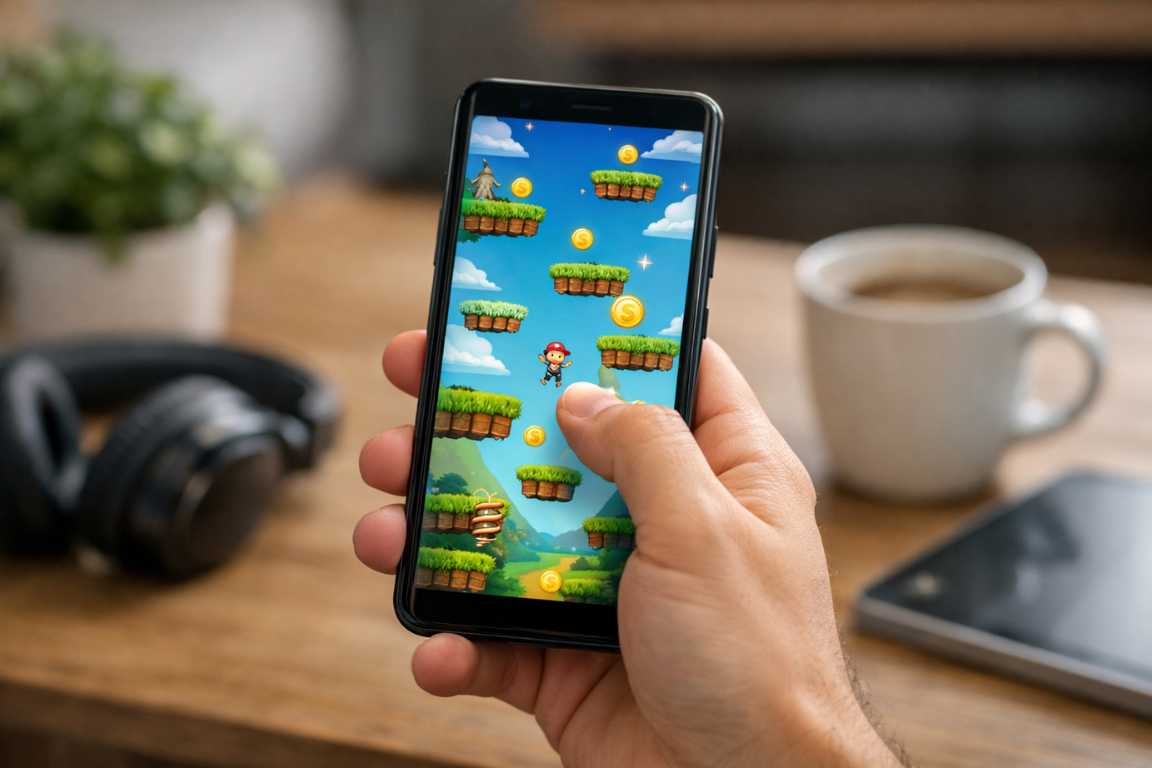
Android Games for One-Hand Play: Top Vertical Titles
Your smartphone serves as a gateway to endless entertainment. However, many titles demand your full attention and both of your hands. In reality, daily life rarely provides the luxury of two free hands. You might be balancing a cup of coffee during a morning commute. Perhaps you are navigating a crowded airport terminal. In these moments, the need for accessible entertainment becomes clear. This guide explores the best Android Games for One-Hand Play to ensure your gaming remains immersive and convenient. By focusing on titles that utilize simple taps and swipes, you can transform idle moments into engaging adventures. You only need your thumb to enjoy these experiences. The demand for one-hand android games has grown alongside the size of modern smartphone screens. As displays get taller and wider, reaching across the entire surface becomes a physical challenge. Developers recognize this trend and now create games specifically for portrait orientation. These titles allow you to maintain a firm grip on your device while interacting with every gameplay element. Whether you enjoy high-speed action or slow-paced strategy, the mobile market offers something for everyone. This article dives deep into the world of casual games and complex adventures that you can control with a single finger. The Evolution of Mobile Accessibility and Portrait Design Mobile gaming success stems from convenience. True portability requires developers to adapt to real-world physical constraints. Games optimized for one-hand operation address a fundamental human need for flexibility. These titles remove the friction of complex, two-handed control schemes. This design choice makes it possible to play comfortably while standing on a moving train. You can also relax on a couch without awkward hand positioning. Many of these titles fall into the category of casual games. They offer high-quality experiences that players can start or stop at any moment. This flexibility fits the modern lifestyle perfectly. In the early days of mobile gaming, landscape mode was the standard for immersive play. This mirrored the orientation of traditional consoles and handhelds. However, as smartphones became our primary communication tools, the vertical “portrait” grip became the default way we hold our phones. Modern developers now prioritize this orientation. They place the most important buttons within the “thumb zone.” This ergonomic area is the space your thumb can naturally reach without straining. By focusing on this zone, developers create a more natural and comfortable user experience. The Benefits of Ergonomic Mobile Gaming Choosing Android Games for One-Hand Play offers several distinct advantages for the average user. Consider these benefits when you select your next download: Enhanced Portability: You can play in any environment. You do not need a stable surface or two free hands to progress in your favorite game. Improved Hand Comfort: One-handed games reduce the hand strain and awkward positioning often seen in landscape gaming. Your hand stays in a natural resting position. Multitasking Capability: You keep one hand free for daily essentials. You can hold onto a subway strap, carry a grocery bag, or enjoy a quick snack while you play. Brief Gameplay Loops: Most one-handed titles feature short sessions. These are ideal for busy schedules and quick breaks. Universal Design: These games often feature simpler interaction models. This makes them more accessible to people with different physical abilities or those new to gaming. Top Categories for Android Games for One-Hand Play When you search for the perfect one-handed experience, certain genres stand out. Casual games often lead this movement because they emphasize simplicity and immediate fun. However, strategic and fast-paced genres have also adapted well to the portrait format. Let us explore the various genres that define this category. Puzzle Games: Strategic Thinking with a Single Thumb Puzzle games are a perfect match for vertical play. They generally rely on precise taps or deliberate drags. You do not need frantic multi-touch gestures to solve a logic problem. These titles offer mental stimulation that turns a long wait into a rewarding exercise. They are among the most popular one-hand android games available today. Monument Valley and Monument Valley 2 represent the pinnacle of this genre. In these games, you manipulate impossible architecture. You guide a silent princess through stunning environments by dragging and rotating geometric paths. The entire interface responds to single-touch inputs. The aesthetic beauty and calm pacing make it a favorite for commuters. You never feel rushed, and the puzzles encourage thoughtful interaction rather than speed. Threes! is another masterpiece of minimalist design. This game requires you to slide numbered tiles on a grid to combine them. You only need to swipe in four directions. Despite the simple controls, the strategic depth is immense. It challenges your math skills and your ability to plan several moves ahead. Because it lacks a timer, you can play it at your own pace while walking or waiting in line. Candy Crush Saga remains a staple for many. This match-3 classic utilizes simple swipe mechanics to clear colorful boards. While it features thousands of levels, the core interaction never changes. You swipe adjacent candies to create matches. The vertical layout ensures that every part of the board remains within your thumb’s reach. Endless Runners: High-Speed Thrills Endless runners provide instant excitement through straightforward mechanics. These games almost always use a portrait orientation. You use vertical and horizontal swipes to navigate obstacles and collect rewards. Their fast-paced nature makes them some of the most satisfying one-hand android games for quick bursts of adrenaline. Subway Surfers is a giant in this category. You play as a graffiti artist running away from a grumpy inspector. The gameplay involves swiping left and right to switch tracks. You swipe up to jump and down to slide. These gestures feel natural and responsive. The game also features “hoverboards,” which you activate by double-tapping the screen. This simple control scheme allows for complex movement without ever needing a second hand. Alto’s Adventure and its sequel, Alto’s Odyssey, offer a different take on the runner genre. These games feature a serene, beautiful snowboarding journey down procedurally generated mountains.
Tips to Free Storage for New Games: The Ultimate Guide
Few things are as frustrating as the moment anticipation meets a technical wall. You have cleared your schedule for a major new release and finished the pre-order process, only to be stopped by the dreaded insufficient storage notification. As game files grow increasingly complex, this has become a universal challenge for gamers. Fortunately, managing your digital library does not have to be a constant struggle. By following these Tips to Free Storage for New Games, you can ensure that your hardware is always ready for the next big adventure. This guide provides a strategic roadmap to reclaiming your disk space, focusing on everything from basic file deletion to advanced storage optimization techniques that keep your system running at peak performance. Modern AAA titles frequently demand over one hundred gigabytes of space, and when you factor in high-resolution texture packs and seasonal updates, a standard drive fills up quickly. Beyond the games themselves, your system naturally accumulates temporary files, logs, and hidden caches that eat away at your overhead. Before reaching for a new hard drive, it is essential to identify these digital stowaways. Often, the path to a faster, cleaner system begins with addressing the clutter you cannot see. Implementing effective storage optimization is not just about making room; it is about improving the overall health and speed of your gaming environment. Understanding the Space Crunch: Why Modern Games Are So Large To effectively use Tips to Free Storage for New Games, one must first understand why storage space vanishes so quickly. In the past, a game might fit on a single CD-ROM, but today, a single update can exceed fifty gigabytes. There are several reasons for this “file size inflation.” First, high-fidelity assets like 4K textures and uncompressed audio take up massive amounts of space. Developers often include these assets to ensure the game looks stunning on high-end hardware, but they come at a heavy cost to your local storage. Additionally, modern game worlds are larger and more seamless than ever. Open-world environments require vast amounts of data to be stored locally so that the system can stream assets quickly as you move through the world. Furthermore, many developers include localized voice-over files for multiple languages within a single download, which can add several gigabytes of redundant data to your drive. By understanding these factors, you can better prioritize which files to keep and which to discard during your cleanup process. Clear Cache and Temporary Files: The First Step to Recovery One of the most efficient ways to reclaim space without deleting your favorite titles is to clear cache data. These files are designed to help applications load faster by storing frequently used information locally. However, over time, these files become redundant, corrupted, or simply too large to be helpful. Regularly clearing these out is a fundamental part of storage optimization. Clearing Cache on Gaming Consoles Consoles like the PlayStation 5, Xbox Series X, and Nintendo Switch manage data differently than PCs, but they still benefit from a periodic refresh to create free space. PlayStation (PS4 and PS5): To clear the system cache on a PlayStation, you should completely power down the console rather than entering Rest Mode. Unplug the power cable from the back of the unit for at least thirty seconds, then restart. On the PS5, you can also boot into Safe Mode (by holding the power button until you hear a second beep) and select the option to Clear System Software Cache. This process triggers a hardware-level clearance that can resolve performance issues and free up small amounts of overhead. Xbox (One and Series X/S): Turn off the console and hold the power button for ten seconds to ensure a full shutdown. Unplug the power brick or cable for several minutes before restarting. For a more thorough cleaning of temporary data, navigate to the Settings menu, go to Devices & Connections, select Blu-ray, and choose Persistent Storage to clear out cached data from physical media you may have used in the past. Nintendo Switch: Navigate to System Settings, scroll down to System, and select Formatting Options at the bottom of the list. Here, you will find the clear cache tool. This is particularly helpful if you notice the eShop or system menus becoming sluggish or if you are running low on the limited internal storage the Switch provides. Clearing Cache on PC PC users have multiple layers of data to manage, from web browsers to individual game launchers. Because Windows is a multi-purpose operating system, it tends to gather more digital “junk” than a dedicated gaming console. Browser Cache: Web browsers store significant amounts of data. Use your browser settings to clear history and cached images regularly. If you use your PC for streaming or research, these folders can easily grow to several gigabytes over a few months. Windows Temporary Files: Use the built-in Disk Cleanup utility. Search for Disk Cleanup in the Start menu, select your primary drive (usually C:), and focus on Temporary Files, DirectX Shader Cache, and Delivery Optimization Files. Shader caches are particularly relevant for gamers, as they store pre-compiled graphics data that can sometimes become bloated or obsolete after a GPU driver update. Game Launcher Caches: Platforms like Steam, EA App, and Epic Games have their own dedicated storage areas. In Steam, go to Settings, then Downloads, and select Clear Download Cache. This will log you out of Steam but can resolve download issues and remove unnecessary temporary files. For the Epic Games Launcher, you may need to navigate to the local app data folder in your user directory to manually remove the webcache folder to restore performance. Proven Tips to Free Storage for New Games Across All Platforms When you need more than just a few megabytes, you must look toward the larger occupants of your drive. These Tips to Free Storage for New Games focus on the “ruthless purge” of existing content. It is easy to let a library grow stagnant with games you finished months ago or
Best Apps for Low-End Gaming Optimization
The difference between a victory and a defeat often comes down to a single frame. For those playing on older or budget-friendly hardware, the excitement of a new release is frequently overshadowed by the reality of stuttering visuals and unresponsive controls. Owning a low-end device can feel like a constant compromise, where game crashes and frame rate drops turn a hobby into a source of frustration. However, you do not need the latest flagship processor or the most expensive graphics card to enjoy a high-quality experience. By utilizing dedicated tools, specifically the Best Apps for Low-End Gaming Optimization, you can bridge the hardware gap and reclaim your gameplay. This guide explores the most effective applications designed to minimize delays and help your device punch well above its weight class. In the modern era of gaming, software requirements are increasing at an exponential rate. Titles that were once considered accessible are now demanding more RAM and higher clock speeds. For users stuck on older configurations, the search for smooth play can feel like an uphill battle. The primary hurdle is that operating systems are not inherently designed for gaming; they are designed for multi-tasking. This means that even when you are in the heat of battle, your device is likely wasting resources on background synchronization, system updates, and telemetry services. Optimization apps step in to redirect these resources where they matter most. Understanding the Hardware Gap and the Need for Optimization Low-end devices are defined by specific hardware limitations, such as limited RAM, entry-level processors, and integrated graphics chips. These components are often overwhelmed by the high-fidelity textures and complex physics engines found in modern mobile and PC games. The result is a cascade of technical hurdles including prolonged loading times, input lag, and thermal throttling. When a device reaches its thermal limit, it purposefully slows down to prevent physical damage, which results in those dreaded sudden drops in frames per second (FPS). The problem is rarely the game alone. Background processes, system-heavy animations, and hidden cached data compete for the same meager resources. This is where optimization tools become essential. Rather than simply closing apps, these tools act as a digital pit crew, streamlining your operating system to ensure every available cycle of power is directed toward your game. By using lag fix apps, players can stabilize their frame delivery, ensuring that the hardware is not stuttering due to software interference. How Game Booster Apps Enhance Performance Modern performance tools have evolved far beyond basic task killers. They are sophisticated management systems that create a specialized environment for gaming. By intelligently reallocating resources, these game booster apps allow games to run with fewer interruptions and greater consistency. These applications work by analyzing the current state of the system and identifying non-essential services that can be temporarily paused or disabled without affecting the core stability of the device. Common functions include clearing volatile memory (RAM), suspending non-essential background services, and optimizing network stability to lower ping. The objective is to provide a fluid experience where the hardware limitations become invisible to the player. For many, these tools represent the difference between a game being unplayable and being a smooth, enjoyable experience. Furthermore, some of these apps can modify hidden configuration files within the game itself to lower graphical demands beyond what is available in the standard settings menu. Essential Features of a Reliable Lag Fix Solution Not every optimization app is effective. When selecting a tool to improve your performance, look for a comprehensive suite of features that address the root causes of lag. A high-quality tool should offer a balanced approach between performance gains and system stability. RAM Management: The ability to aggressively free up system memory by terminating background processes that are not required for the operating system to function. RAM is often the biggest bottleneck for low-end gaming, as games require a certain amount of “breathing room” to load textures and assets. CPU Prioritization: Software that ensures the processor focuses its maximum clock speed on the active game window. Many operating systems distribute CPU power evenly across all open apps; a booster ensures your game gets the lion’s share. Storage Maintenance: Built-in cleaners that remove junk files and temporary data which can slow down read and write speeds. If your storage is nearly full, the system’s “swap file” or virtual memory performance will suffer, leading to massive stutters. Network Stabilization: Features that prioritize game data packets over other internet traffic to reduce latency in multiplayer environments. This is crucial for smooth play in competitive titles where every millisecond of ping counts. Automated Game Mode: A setting that automatically triggers your custom optimization profiles the moment a game is launched. This saves the user from having to manually toggle settings every time they want to play. Thermal Monitoring: Tools that track device temperature to help prevent performance drops caused by overheating. Some advanced apps can even adjust the CPU frequency to keep the device cool and prevent thermal throttling. Top Recommended Apps for Performance Boosting When searching for the Best Apps for Low-End Gaming Optimization, you will find several key players that have consistently proven their worth in the gaming community. Below are some of the most effective tools currently available across different platforms. 1. Razer Cortex (PC and Mobile) Razer Cortex is perhaps the most well-known name in the world of game optimization. It works by managing and killing non-essential background processes during gaming sessions. Its “Game Boost” feature is highly effective for low-end systems because it flushes the RAM and clears out system cache, providing a clean environment for the game to run. Additionally, it provides a frame-per-second counter and a dashboard to track your performance gains over time. 2. Game Booster 4x Faster (Mobile) For mobile gamers, this is a staple application. It offers a “Turbo Boost” feature that checks for system stability and fixes various issues that might lead to crashes. It also includes a GFX Tool, which is essential for low-end mobile devices,
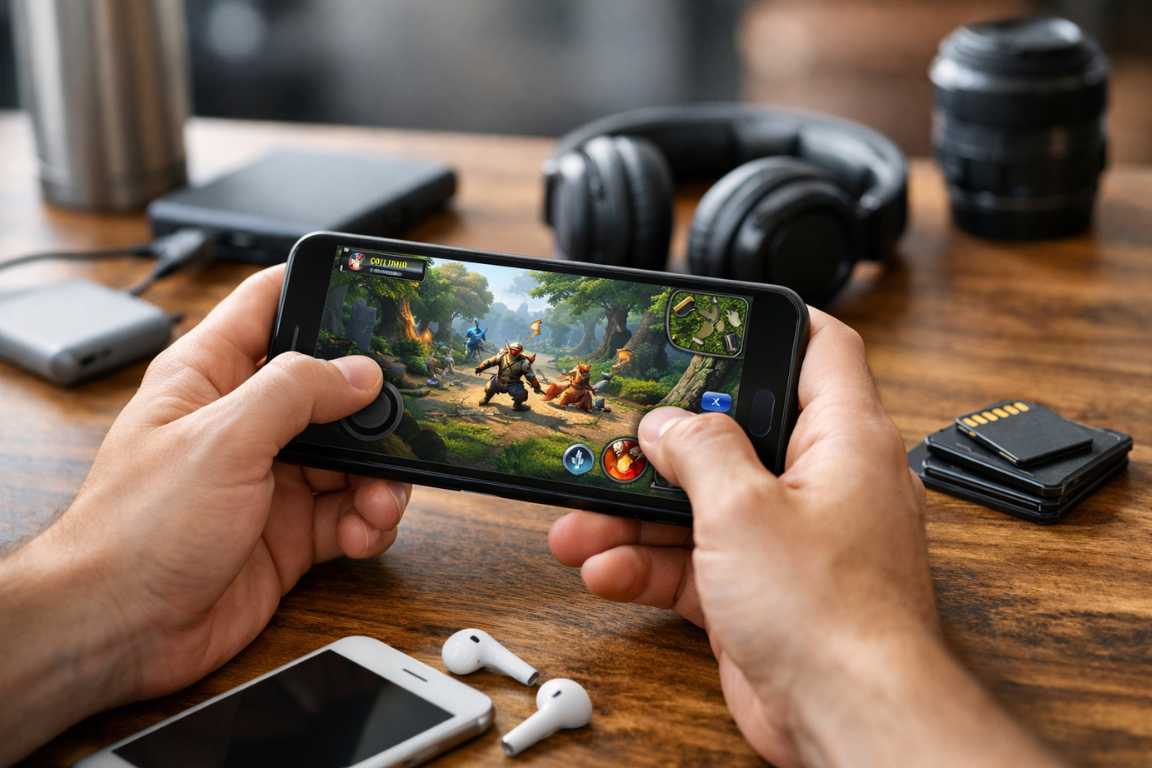
Offline Games Smooth Play Tips: Master Lag-Free Play
There is a unique satisfaction in diving into a favorite offline game, escaping into rich narratives or conquering challenging virtual worlds without the need for a constant internet connection. However, that immersion is easily broken when stutters, lag, or sudden frame drops interrupt the experience. While online titles often face performance issues due to network instability, lag-free offline games are equally dependent on technical hitches rooted in hardware and software configuration. Achieving a truly fluid experience requires a strategic approach to system optimization. This guide provides actionable advice and Offline Games Smooth Play Tips to help you transform your gaming sessions into seamless adventures, ensuring every moment remains as responsive as intended. Whether you play on a high-end PC or a mobile device, these fundamental checks and advanced adjustments will help maximize your frame rates and overall stability. The beauty of offline gaming is the independence from servers and ping spikes, but this puts the entire burden of performance on your local machine. If your system is not tuned correctly, even the most beautifully designed game can become a frustrating slideshow. By following best performance tips, you can bridge the gap between your hardware’s potential and the software’s demands. Understanding how your system interacts with game files and graphical APIs is the first step toward a more enjoyable and uninterrupted hobby. Understanding Performance Bottlenecks in Offline Gaming Even without a network connection, various factors can degrade game performance. Understanding these bottlenecks is the first step toward a solution. Unlike online gaming, where server latency is a primary concern, offline performance relies entirely on your device’s internal components. The central processing unit (CPU), graphics processing unit (GPU), random access memory (RAM), and storage drive speed all dictate how well a game runs. When these components struggle to process game data in real-time, the result is choppy gameplay. Graphics-heavy titles or expansive open-world games naturally place higher demands on your hardware, making it essential to identify which component is under the most strain. If the GPU is at 100 percent usage while the CPU sits at 20 percent, you are facing a GPU bottleneck, which requires different fixes than a CPU-bound scenario. To ensure lag-free offline games, you must recognize that “lag” in an offline context usually refers to “input lag” or “frame-time inconsistencies.” Frame-time consistency is often more important than the average frames per second (FPS). A game running at a constant 30 FPS often feels smoother than a game fluctuating wildly between 40 and 60 FPS. Identifying these inconsistencies allows you to apply the right Offline Games Smooth Play Tips to stabilize the engine’s output. The Role of Your Hardware Components Every piece of hardware in your machine plays a specific role in rendering your offline world. Let’s break down the major players: CPU (Central Processing Unit): As the brain of the system, the CPU handles game logic, AI behavior, and physics. In strategy games or simulations with thousands of moving parts, the CPU is the most critical factor. A slow CPU can bottleneck even the most powerful graphics card, leading to “stuttering” where the game pauses for a fraction of a second while the processor catches up. GPU (Graphics Processing Unit): The GPU renders every visual element on the screen, from the textures of a character’s clothing to the complex lighting of a sunset. It is typically the most significant factor in maintaining high frame rates in visually demanding titles. Modern GPUs also feature VRAM (Video RAM), which stores the textures currently in use. If your VRAM is full, the system will pull data from slower system RAM, causing massive performance drops. RAM (Random Access Memory): This serves as short-term storage for active data. Insufficient memory forces the system to swap data to the slower storage drive, causing noticeable stutters. For modern offline gaming, 16GB is generally considered the sweet spot, while 8GB may struggle with heavy background tasks or memory-intensive open-world titles. Storage Drive (HDD vs. SSD): While storage speed rarely impacts raw frame rates, a slow drive leads to long loading screens and can cause “hitching” in open-world games as new assets are loaded in the background. Upgrading to an NVMe or SATA SSD is one of the best performance tips for reducing these micro-stutters and making the entire OS feel more responsive. Essential Offline Games Smooth Play Tips for PC Before launching a game, several preparatory steps can ensure your hardware is ready to dedicate its full power to the task. Neglecting basic system maintenance can make even the best in-game optimizations less effective. Think of this process as clearing the stage before a performance; a clean system will always yield better results. Update Your Drivers Regularly Outdated graphics drivers are a frequent cause of poor performance and visual glitches. Manufacturers like NVIDIA, AMD, and Intel regularly release updates that optimize performance for new titles and fix stability bugs. Keeping your graphics drivers current is one of the most effective ways to improve your experience. These updates often include “Game Ready” profiles that specifically tune the hardware for optimal performance in popular offline releases. Furthermore, ensuring your operating system and chipset drivers are updated contributes to overall system health and better resource allocation between the CPU and GPU. Close Unnecessary Background Applications Every program running in the background consumes a portion of your system resources. Before starting a session, close any unnecessary software, such as web browsers, streaming services, or communication apps. Web browsers are notorious for consuming large amounts of RAM, which could otherwise be used by your game. Freeing up these resources allows your game to access more CPU power and RAM, directly resulting in higher frame rates. On Windows, use the Task Manager (Ctrl+Shift+Esc) to identify and end processes that are consuming high levels of memory or CPU cycles. Pay special attention to “Auto-start” programs that load when you boot your PC, as these can accumulate over time and slow down your entire system. Ensure Sufficient Disk Space A drive that is
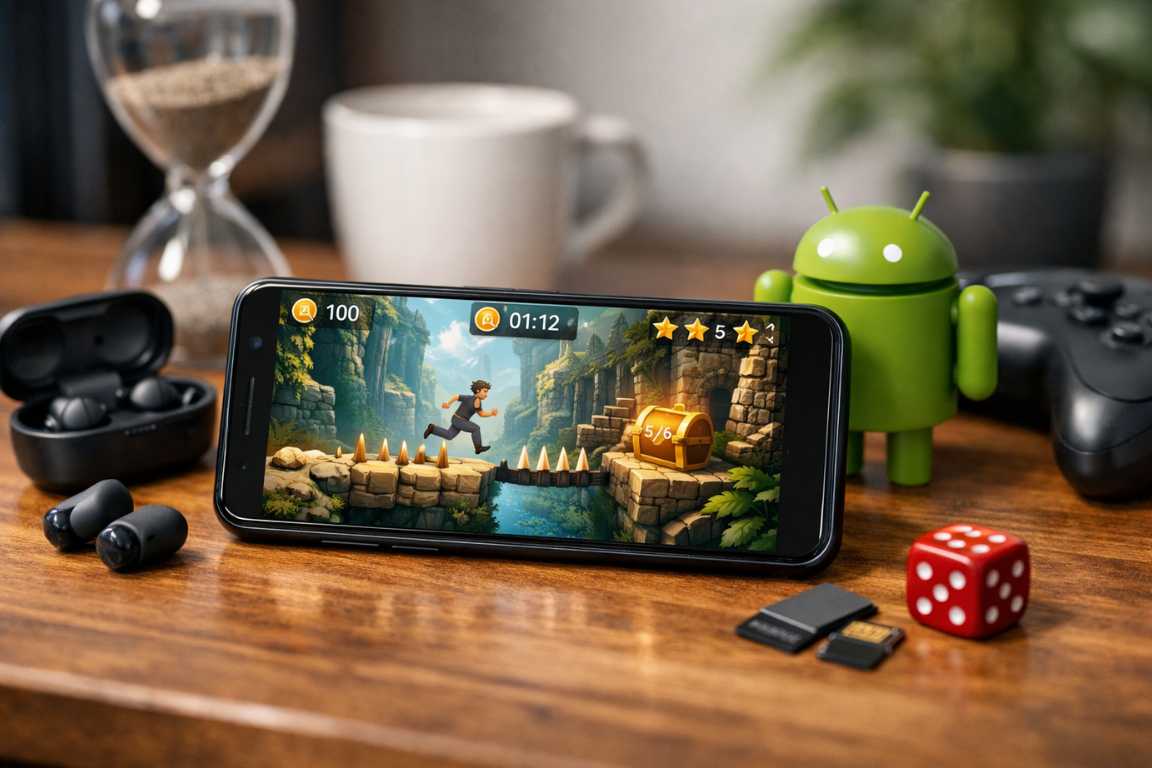
Best Android Games with Short Levels for Quick Play
Finding moments of leisure in a fast-paced schedule often feels like a significant challenge. Between professional responsibilities and personal errands, most people do not have the luxury of sitting down for a three-hour gaming session. This is where Android games with short levels provide the perfect solution for the modern user. These titles specifically deliver a complete and satisfying experience in just a few minutes. This design makes them ideal companions for commutes, waiting rooms, or brief coffee breaks. Rather than demanding a deep time commitment, they offer immediate engagement that fits seamlessly into the gaps of a busy day. The mobile gaming landscape has shifted dramatically over the last decade. Early mobile titles often tried to mimic console experiences, which required long stretches of undivided attention. However, developers soon realized that the true strength of a smartphone lies in its portability. People carry their phones everywhere, but they only use them in short bursts. Consequently, short-level android games have risen to the top of the app store charts. These games prioritize the player’s time while still providing a sense of depth and progression. Whether you are standing in line at a grocery store or riding the subway, these quick games ensure that entertainment is always just a tap away. The Unique Appeal of Quick Play Sessions The popularity of short-form mobile games stems from more than just convenience. They tap into a specific psychological need for achievement and mental stimulation. Humans crave small wins, especially during a stressful workday. Several key factors contribute to why these games have become a staple for millions of users worldwide. First, we must consider the concept of instant gratification. Unlike complex RPGs that require hours of tutorials and character building, Android games with short levels allow players to jump straight into the action. You can complete a specific objective and feel a sense of accomplishment in less time than it takes to brew a cup of coffee. This rapid feedback loop keeps the brain engaged without causing mental fatigue. Furthermore, these games offer incredible time efficiency. They respect your schedule by ensuring that you never lose progress if real-life responsibilities suddenly intervene. Most of these titles save your state automatically or feature levels that take less than sixty seconds to finish. This reduced commitment makes them low-stakes and highly accessible. They provide a reliable way to decompress without the pressure of managing complex inventories or long-term strategies. Finally, the rapid turnaround of levels ensures that the gameplay stays fresh. Developers constantly introduce new mechanics and challenges to keep the mind engaged and prevent boredom. Benefits of Playing Android Games with Short Levels Many players wonder why they should choose bite-sized experiences over expansive open-world titles. The benefits go far beyond just saving time. Micro-gaming sessions can actually improve your productivity and mood throughout the day. When you engage with short-level android games, you give your brain a “palette cleanser” between difficult tasks. Psychologists often recommend taking short, structured breaks to maintain high levels of focus. A quick three-minute puzzle or an arcade sprint can reset your cognitive load. This brief distraction allows your subconscious to process work-related problems while you focus on a simple, fun task. When you return to your work, you often feel more refreshed than if you had simply scrolled through social media. Social media often induces stress or envy, whereas a game provides a controlled environment where you can succeed and overcome challenges. Additionally, these games are perfect for older hardware. Because the levels are small and the assets are often optimized, they do not require the latest flagship processor to run smoothly. This inclusivity means that everyone can enjoy quick games regardless of their budget. You do not need a high-end gaming phone to enjoy a well-designed puzzle or a fast-paced runner. Exploring Genres Perfectly Suited for Short Bursts While almost any mobile game allows for brief play, certain genres inherently center around self-contained, rapid-fire gameplay. Understanding these genres helps you find the right experience for your specific mood. Puzzle Games: Mental Stimulation in Minutes Puzzle games represent perhaps the most natural fit for the short-level format. Each stage typically presents a single, discrete problem for the player to solve. Match-three puzzles, for instance, allow players to clear a board and meet a specific goal in under five minutes. The satisfaction of clearing the last row of gems provides a tangible dopamine hit. Block puzzles and logic-based brain teasers provide a similar rhythm. They offer a mental workout that is both challenging and brief. These games excel at sharpening spatial reasoning or logic skills during a short period of downtime. Since these levels do not rely on reflexes, you can play them in noisy environments without losing focus. Many Android games with short levels in the puzzle category also feature offline modes, making them perfect for flights or underground transit. Arcade and Action: Reflexes and Replayability For those who prefer a boost of adrenaline, the arcade genre offers high-intensity action in short sprints. Endless runners serve as a prime example of this design philosophy. While the game technically continues as long as you survive, most individual runs last only a few minutes. You dodge obstacles, collect coins, and try to beat your previous high score before the inevitable crash. Simple platformers also excel in this area. They utilize bite-sized stages that test your reflexes and timing. These games provide a quick thrill and the opportunity to chase high scores without requiring a significant time investment. The “just one more try” mentality thrives in the arcade genre, as the short duration of each level makes failure feel less punishing. You can restart and correct your mistake in seconds, keeping the momentum high. Hyper-Casual Titles: The Ultimate Low-Friction Experience The hyper-casual genre stands as the gold standard for quick games. These titles feature extremely simple, often one-tap mechanics that anyone can understand instantly. Whether it involves a physics-based challenge or a simple timing game, developers design the levels for
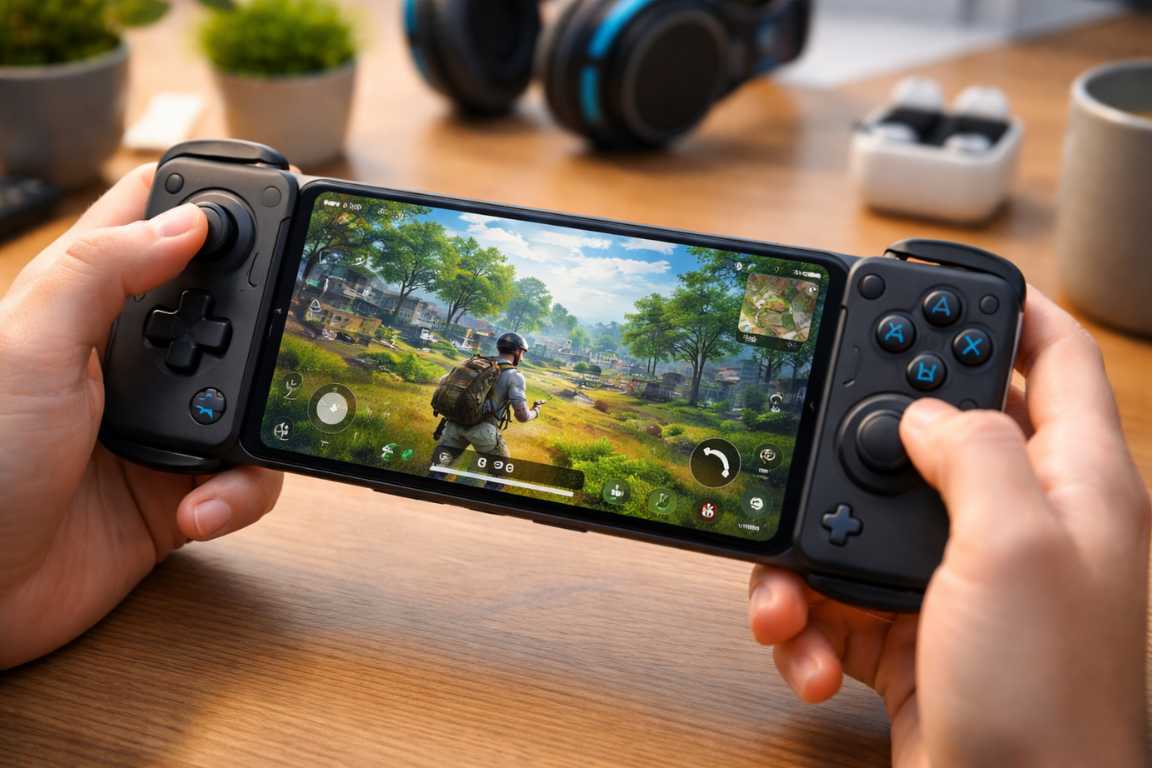
Android Game Controls Tutorial: Master Mobile Gaming
Unlock your full gaming potential with this comprehensive Android Game Controls Tutorial. In the modern era of portable entertainment, your smartphone is no longer just a communication device; it is a high-performance gaming rig capable of running console-quality titles. However, the hardware is only as effective as the player operating it. This guide covers touch optimization, gamepad integration, and advanced setups to elevate your mobile play to a professional level. Whether you are a casual player or a burgeoning esports athlete, understanding the nuances of android controls is the first step toward victory. In the high-stakes world of mobile gaming, a split-second delay or a misplaced thumb can be the difference between a legendary victory and a frustrating defeat. While device hardware often takes center stage, the true foundation of a great gaming experience is control. Whether you are navigating the chaotic battlefields of a shooter or managing the intricate economy of a strategy title, your ability to translate intent into action is paramount. This Android Game Controls Tutorial explores the diverse landscape of interface options, providing the technical knowledge needed to bridge the gap between casual play and competitive mastery. The Evolution and Core of Android Input Systems The versatility of the Android ecosystem is its greatest strength. Unlike traditional consoles with fixed controllers, Android devices support a wide range of input methods, each with a unique learning curve and tactical advantage. At its most basic level, your device interprets physical interactions—taps, swipes, or button presses—into digital commands via the Android Input Framework. This system is designed to be flexible, allowing developers to create custom android controls that respond to everything from simple pressure to complex multi-finger gestures. A well-optimized control scheme should eventually feel like an extension of your own movements. Achieving this state of flow requires more than just accepting default settings; it involves fine-tuning sensitivity, considering ergonomics, and choosing the right hardware for your specific genre. While touch screens offer the most portability, external peripherals like a gamepad provide tactile feedback that touch alone cannot replicate. Understanding when to use each is the first step toward becoming a better player. In this Android Game Controls Tutorial, we will break down these systems into manageable components for you to master. The Touch Interface: A Comprehensive Touch Controls Guide For the vast majority of players, the touch screen is the primary gateway to gaming. Modern mobile titles have evolved far beyond simple tapping, incorporating complex virtual joysticks and multi-touch gestures. However, relying on default layouts often limits your potential. This touch controls guide section will help you optimize your glass-based interactions. Virtual Joysticks and Buttons: Most games allow you to resize and move these elements. This is a critical feature that many players overlook. If your thumbs feel cramped or you find yourself missing buttons during intense moments, expand the touch zones and move them toward the edges of the screen to clear your field of view. The goal is to create a layout that matches the natural resting position of your hands. Gesture Mastery and the Claw Grip: Many high-level players use what is known as a “claw grip.” This involves using more than just your thumbs to interact with the screen. By using your index fingers for top-corner buttons while your thumbs handle movement and aiming, you can perform multiple actions simultaneously, such as jumping, aiming, and shooting. This technique is a staple in this Android Game Controls Tutorial for anyone looking to compete in FPS or Battle Royale games. Sensitivity Calibration: High sensitivity allows for rapid turns but can ruin your precision at long ranges. Most competitive games offer separate sliders for general movement and aiming down sights (ADS). Spend time in practice modes to find the balance that suits your reaction speed. A good rule of thumb is to set your general sensitivity high enough to pull a 180-degree turn with one swipe, while keeping ADS sensitivity low enough for micro-adjustments. Environmental Factors: Physical obstacles like screen friction or smudges can hinder your performance. Keeping your screen clean is essential. Furthermore, many pros use specialized gaming thumb sleeves. These accessories reduce friction and eliminate the “sticky” feeling caused by moisture, allowing for smoother, more consistent movements on the glass. The Gamepad Advantage: Console-Quality Precision While touch controls have improved significantly, they still lack the physical resistance and haptic feedback of a traditional controller. For genres like racing, sports, or third-person action games, a gamepad is often the superior choice. Connecting a controller via Bluetooth or USB-C can instantly transform your phone into a portable console, providing a level of android controls depth that is difficult to achieve otherwise. The benefits of a physical controller include: Tactile Feedback: Physical triggers and buttons provide a satisfying click, confirming that your command was registered without you needing to look at your fingers. This allows your brain to focus entirely on the on-screen action. Unobstructed View: By moving your hands off the screen, you regain valuable visual real estate. In many games, thumbs can block up to 20% of the screen, potentially hiding enemies or vital UI elements. Ergonomic Longevity: Gamepads are designed for long sessions. They distribute the weight of the device more evenly and reduce the strain on your joints compared to holding a flat glass slab for hours. This is vital for preventing repetitive strain injuries during marathon gaming sessions. To connect a controller, navigate to your device settings and pair it via the Bluetooth menu. Once connected, many modern titles like Call of Duty Mobile, Rocket League Sideswipe, or Genshin Impact will automatically detect the hardware and update the interface. Some games even allow for deep button remapping within their own settings menus, providing a bespoke gamepad experience. Why You Need an Android Game Controls Tutorial for Competitive Play In competitive environments, the difference between the average player and the top-tier professional often comes down to their control configuration. This Android Game Controls Tutorial emphasizes that optimization is not a “set it and