
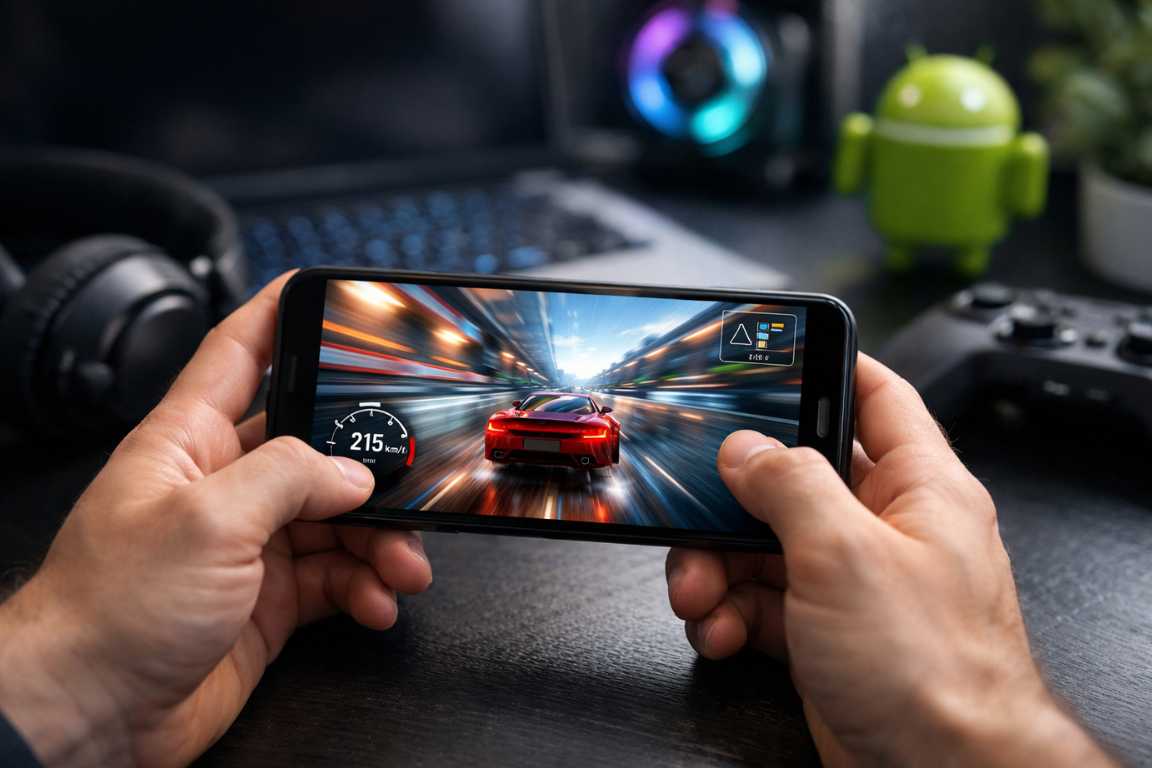
Few things disrupt the flow of a competitive match or an immersive digital world quite like a sudden stutter in performance. For many users, achieving a perfectly fluid experience feels like a luxury reserved for those with the most expensive flagship devices. However, consistent and smooth gameplay is not solely a matter of high-end hardware. By understanding how your device manages resources and applying targeted optimization strategies, you can transform a choppy experience into a seamless adventure. This guide explores the root causes of mobile performance issues and provides actionable steps to unlock the full potential of your device. We want to help you enjoy Games Without Lag Android enthusiasts can truly appreciate.
Mobile gaming has evolved rapidly over the last decade. Modern titles now rival console games in graphical complexity. This leap in quality places immense pressure on mobile hardware. If your phone is more than two years old, you likely notice occasional slowdowns. Even new devices can struggle if the software environment is cluttered. To achieve smooth performance, you must take an active role in managing your device. This guide provides the blueprint for that control.
Understanding Lag: Why Performance Suffers
To resolve performance issues, you must first identify the bottlenecks. Lag on Android is rarely caused by a single factor. Rather, it is usually a combination of hardware constraints, software overhead, and environmental conditions. Identifying the specific source of your problem is the first step toward a solution. Once you know why your phone stutters, you can apply the correct fix to enjoy lag-free android games.
Hardware Limitations
At its core, your device is limited by its physical components. An aging processor may struggle to render complex 3D environments. Insufficient RAM (Random Access Memory) can cause the system to stall. It swaps data between active memory and slower storage when it runs out of space. Furthermore, high-resolution displays look stunning, but they require significant graphical processing power. If the GPU cannot keep up with the pixel count, frame rates will inevitably drop. Many users do not realize that pushing a 4K display is much harder for a phone than pushing a 1080p display.
Software Overheads and Background Processes
Even the most powerful phone can be slowed down by poorly managed software. Modern mobile operating systems are designed to multitask. However, background applications often consume CPU cycles and memory. These resources should be dedicated to your game. Persistent notifications, sync services, and pre-installed bloatware act as a constant drain on your battery and processor. Additionally, poorly optimized games perform badly regardless of your device’s capabilities. Developers must write clean code to ensure their titles run well on various hardware configurations.
Network Latency
For online multiplayer titles, the quality of your connection is vital. Network lag, often called high ping, creates a delay between your physical input and the server’s response. While this is not a hardware failure, it results in teleporting characters and unregistered hits. This makes competitive play nearly impossible. A high-speed internet connection does not always guarantee low ping. Stability and routing are often more important for a smooth performance in fast-paced shooters or battle royales.
Thermal Throttling
Mobile processors generate significant heat during intense gaming sessions. To prevent internal damage, Android devices automatically reduce their clock speeds. They do this when they reach certain temperature thresholds. This protective measure is known as thermal throttling. It is a common reason why a game might run perfectly for the first ten minutes but begin to stutter as the device warms up. Keeping your phone cool is essential for maintaining high frame rates over long periods.
Achieving Games Without Lag Android: Step-by-Step
The path to achieving Games Without Lag Android requires a systematic approach. You must refine how the operating system handles resources. Follow these steps to prepare your device for a heavy gaming session.
Optimize System Settings
The first step toward better performance is refining your settings. Most Android phones have hidden features that can boost your speed. Start by cleaning up your active environment.
- Close Background Applications: Manually clear your recent apps list before starting a session. Apps like social media feeds and web browsers are notorious for staying active. They refresh data constantly and consume precious RAM.
- Enable Do Not Disturb: Notifications are not just a distraction. They trigger system processes that can cause micro-stutters. Enabling a dedicated gaming mode or Do Not Disturb helps focus resources on the active task.
- Manage the Cache: Over time, cached data can become cluttered. Use the system storage settings to clear the cache of particularly heavy apps. This ensures the file system remains responsive and fast.
- Access Developer Options: Navigate to the Developer Options menu in your settings. You may need to tap your Build Number seven times to see this. Reducing Window and Transition animation scales to .5x can make the entire UI feel faster. You can also limit background processes to a maximum of two or three. This ensures the CPU remains focused on your active game.
Enhance Network Stability
If you primarily play online, your network environment is critical. A bad connection can make even the fastest phone feel slow.
Prioritize 5GHz Wi-Fi whenever possible. If your router supports dual bands, always choose the 5GHz connection. It offers higher data throughput. It is also less susceptible to interference from household appliances like microwaves. The standard 2.4GHz band is often crowded and slow.
Consider your proximity to the router. Play closer to your source of internet. Ensure other devices on the network aren’t performing heavy downloads. Streaming high-definition video on another device can steal your bandwidth. This leads to spikes in your ping and ruins the experience of lag-free android games.
Smart Storage Management
A full storage drive is a slow storage drive. When your internal storage is near capacity, the operating system struggles. It cannot manage temporary files efficiently. Aim to keep at least 15 percent of your storage free. Delete old photos, videos, and apps you no longer use.
Additionally, avoid installing high-performance games on external SD cards. Most internal memory chips are much faster than SD cards. Internal memory provides better read and write speeds. This is crucial for loading textures and game data quickly. Use your SD card for photos and music instead.
The Role of Graphics Settings
Many players ignore the settings menu inside the game. This is a mistake. Most modern titles offer granular control over visual fidelity. Adjusting these can lead to a smooth performance without significantly damaging the look of the game.
Shadows and lighting effects are very demanding. Turning shadows from “High” to “Low” can often double your frame rate. Anti-aliasing is another resource hog. It smooths out jagged edges but taxes the GPU heavily. If you have a small screen, you likely won’t notice if anti-aliasing is turned off.
Resolution scaling is the most effective way to gain speed. Lowering the internal resolution allows the GPU to render frames faster. The image may look slightly softer, but the gameplay will be much more fluid. In competitive games, high frame rates are always better than high resolutions.
Recommended Games for Smooth Performance
If you are using a mid-range or budget device, select games designed with efficiency in mind. Many developers prioritize optimization. They want their titles to reach the widest possible audience. These lag-free android games provide entertainment without frustrating stutters.
Casual and Arcade Excellence
Titles like Subway Surfers and Alto’s Odyssey are renowned for their fluid animations. They have low hardware requirements and run well on almost anything. Similarly, Among Us uses a clean 2D art style. This allows it to run perfectly on almost any modern Android device. You get a fun experience without needing a flagship phone.
Strategy and Role-Playing Games
Games like Clash Royale and Stardew Valley offer deep, engaging gameplay. They do not have the heavy graphical tax of open-world action titles. These games rely more on logic and static assets than high-fidelity 3D rendering. They maintain consistent performance even during long sessions. This makes them ideal for older hardware or long commutes.
Action Titles with Scalable Settings
If you prefer high-octane action, look for titles with extensive graphics menus. Call of Duty Mobile and Genshin Impact are demanding. However, they offer many settings to toggle. You can adjust shadows, anti-aliasing, and resolution. Lowering these settings helps you maintain a high frame rate. This is often more important for gameplay than visual fidelity.
Advanced Tips for Power Users
For those dedicated to maximizing every frame per second, consider these final adjustments. These steps are for users who want the absolute best experience possible.
Utilize Native Game Boosters
Most modern manufacturers include built-in game optimization software. Samsung, OnePlus, and Xiaomi all have these tools. These boosters prioritize network traffic for games. They clear memory automatically. They also manage the device’s power profile. This finds the best balance between battery life and performance. Always check your app drawer for a “Game Space” or “Game Launcher” app.
Manage Device Temperature
To combat thermal throttling, try removing your phone case. Cases trap heat against the body of the phone. Removing the case allows for better heat dissipation. If you are a heavy user, consider external cooling accessories. Snap-on fans can physically lower the device temperature. This allows the processor to run at peak speeds indefinitely. It prevents the sudden drops in performance that happen when a phone gets too hot.
Check Your Refresh Rate
Many modern phones feature 90Hz or 120Hz displays. These screens can show more frames per second. However, running at high refresh rates consumes more power. It also puts more stress on the GPU. If your game is stuttering, try switching your display settings back to 60Hz. This can provide a more stable and smooth performance if the hardware is struggling to hit higher targets.
Hardware Considerations for the Future
If you are in the market for a new device, keep certain specs in mind. Look for a phone with at least 8GB of RAM. This provides enough breathing room for the OS and the game. Check the processor model. Snapdragon 8 series chips are the gold standard for Android gaming. MediaTek Dimensity chips also offer great performance in the mid-range segment.
Storage type also matters. Look for devices with UFS 3.1 or UFS 4.0 storage. This is much faster than older eMMC storage found in budget phones. Faster storage means shorter loading screens and fewer hitches when the game loads new areas.
Frequently Asked Questions
Does clearing RAM actually help with gaming?
Yes. Android manages memory well, but manual clearing still helps. It ensures the system doesn’t have to cycle out old apps during a high-action moment. This prevents micro-stutters during gameplay.
Will a system update improve my gaming performance?
Generally, yes. Updates often include driver optimizations and security patches. These improve the efficiency of the OS. However, always check user feedback for your specific model. Sometimes new updates can have bugs that briefly hurt performance.
Can I play high-end games on a budget phone?
Yes, through careful customization. Lower all in-game graphical settings to their minimum. Use the optimization steps mentioned in this guide. Many high-end games become playable on less powerful hardware this way.
Is 5G better than Wi-Fi for gaming?
5G offers great speeds, but Wi-Fi is usually more stable. Mobile data can fluctuate based on your location and signal strength. For competitive gaming, a 5GHz Wi-Fi connection is still the best choice.
Conclusion
The path to a Games Without Lag Android experience is built on a foundation of smart resource management. You must stay aware of your environment and your device’s limits. By taking control of your settings, you can significantly elevate your mobile gaming. Maintain a healthy storage environment and keep your device cool. These strategies ensure your focus remains on the game itself. Whether you compete in a high-stakes shooter or relax with a puzzle, you deserve a smooth performance. Use these tips to unlock the true potential of your Android device today.